
Online Gambling in Nigeria: Trends & Risks
Discover the rise of online gambling in Nigeria 🇳🇬, explore legal rules, top platforms, payment options, and smart tips to avoid risks and play responsibly 🎲💰
Edited By
Chinedu Eze
Gambling in Nigeria sits on a complex legal foundation shaped by both federal and state laws. While many forms of gambling operate openly, legality depends heavily on the specific type of gaming and local regulations.
At the federal level, the primary law governing gambling activities is the National Lottery Act and the associated Gaming Act. These laws regulate lottery operations, betting houses, casinos, and other game-based ventures. The National Lottery Regulatory Commission (NLRC) oversees licensing and enforcement for lotteries nationwide.
However, states hold significant power under Nigeria’s constitution to regulate or restrict gambling within their borders. This means what is legal in Lagos might face restrictions in Kano or Rivers. Some states maintain strict bans on certain gambling types, including sports betting or slot machines, to address social concerns.
Despite legal frameworks, enforcement often faces challenges due to the rapid growth of online betting platforms and unlicensed operators. This creates a blurry line between authorised gambling sites and illicit ones.
Operators must secure licences to legally run gambling businesses. Licences vary by activity:
Lottery licences cover traditional lotteries and promotional draws.
Sports betting licences oversee bookmakers and digital betting companies.
Casino licences govern physical gaming establishments.
Obtaining a licence requires submitting detailed business plans, proving financial stability, and paying regulatory fees. For example, companies like Bet9ja and NairaBet operate legally with proper licences.
Several gambling activities dominate the Nigerian scene:
Sports betting: Football betting remains the most popular, generating billions in stake annually.
Lotteries: Both government-run and private lotteries have wide appeal.
Casino gaming: Mainly in urban centres like Lagos and Abuja.
Online betting platforms: Increasingly preferred, especially among youths.
Not every gambling form is lawful. Unlicensed betting shops or underground gaming spots operate illegally and risk shutdown. Additionally, underage gambling is strictly prohibited, with operators required to verify age to protect minors.
Navigating gambling laws requires awareness of state-specific rules alongside federal statutes. If you intend to participate or start a gambling-related business, securing legal advice and verifying licensing status is essential to avoid penalties.
This overview shows that gambling is legally permitted in Nigeria but within a tightly regulated space influenced by multiple authorities and ongoing enforcement challenges.
Understanding the gambling laws in Nigeria is essential because it directly affects players, operators, and regulators across the country. These laws define what gambling activities are allowed, who can hold licences, and how enforcement is handled. For example, sports betting thrives under clear legal backing, while illegal gambling operations often attract police attention and penalties. Knowing these laws helps individuals avoid legal trouble and enables businesses to operate transparently.
Gambling regulations in Nigeria have evolved since the colonial era, when British authorities first introduced rules to control betting. Initially, gambling was largely unregulated, often linked to social clubs or informal community betting. Over time, Nigeria established formal laws, especially after independence, to bring control and revenue generation under government oversight. These historical laws laid the groundwork for today’s systems, balancing traditional practices with modern regulatory needs.
At the federal level, the most significant legislation is the National Lottery Act and the Betting Act, which regulate lotteries, sports betting, and games of chance. The National Lottery Regulatory Commission (NLRC) oversees licences for national lottery activities, ensuring operators comply with terms that protect players and promote fairness. Other federal statutes criminalise illegal gambling to discourage unlicensed operators and protect players from fraud. These laws create a framework allowing certain gambling forms, provided operators secure the proper permits.
State governments have their own responsibilities regarding gambling within their territories. Each state can establish lottery boards and regulate activities like sports betting and raffles locally. For instance, Lagos and Rivers states have robust gaming policies that complement federal laws by issuing licences, collecting taxes, and enforcing compliance. This dual system—federal laws paired with state regulations—means a gambling operator must understand the rules for each state they want to operate in, or risk penalties. This layered regulation also gives states room to limit or expand gambling options based on local preferences and social concerns.
Knowing both federal and state laws is vital: While federal legislation sets the tone, state powers greatly influence how gambling actually operates day-to-day in Nigeria.
In short, a clear grasp of Nigeria’s gambling laws helps players gamble safely and businesses run legit operations. Ignorance can lead to fines, licence revocation, or worse. Thus, an overview of these laws is the first step for anyone interested in gambling activities in Nigeria.
Understanding the types of legal gambling activities in Nigeria is key to knowing what is allowed by law and where players can participate safely. Various forms of gambling operate under regulations, each with unique rules and licences. Knowing the specifics helps avoid illegal operations and promotes responsible participation.
Sports betting is the most popular form of legal gambling across Nigeria. It involves predicting outcomes of sporting events like football, basketball, and boxing. Licensed operators such as Bet9ja, Nairabet, and SportyBet have widespread outlets and digital platforms where bettors place stakes. Sports betting offers practical benefits, such as engaging football fans during the Nigerian Professional Football League season, and provides a regulated avenue to enjoy games while potentially winning money. However, operators are obliged to comply with regulations set by the National Lottery Regulatory Commission (NLRC) and engage in responsible gambling practices.
The lottery remains a legal gambling option, extensively regulated by the NLRC. Various licensed lotteries, like the Nigerian National Lottery, offer draws with cash prizes, typically funded by ticket sales. Raffles also fall under this category, often organised by charitable organisations and commercial enterprises for fundraising. The legal framework requires operators to ensure transparency and prize fulfilment. You might see charity events with raffle tickets or nationwide lottery draws approved by the authorities, offering a lawful chance to win.
Casinos operate legally but are spread mostly in Lagos, Abuja, and select states with licences. These establishments feature traditional gaming options, including card games, roulette, and slot machines. Despite being less common than betting and lotteries, casinos attract patrons looking for onsite entertainment. Operators must meet strict licensing and security requirements to protect patrons and maintain fair play. Note that most casinos are found in high-end hotels or designated entertainment centres.
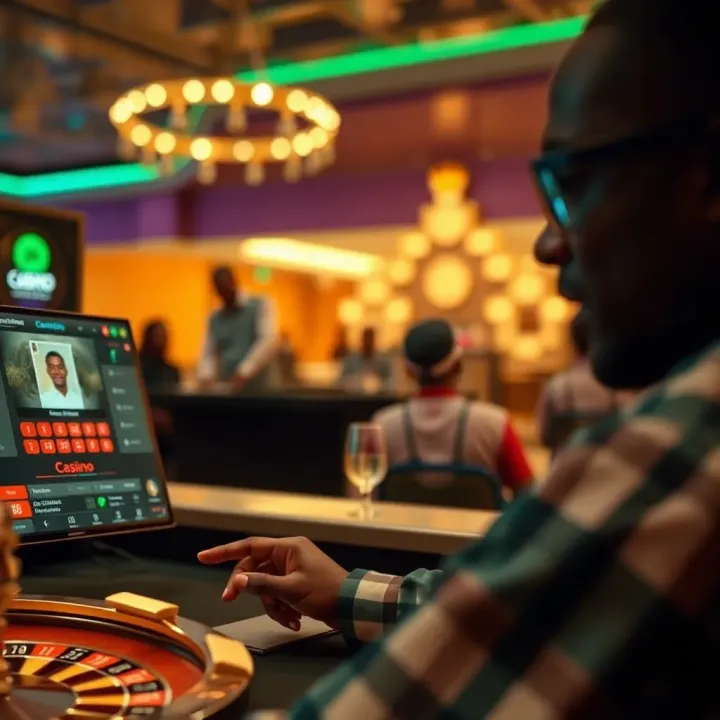
With smartphone penetration high, online gambling platforms have grown swiftly in Nigeria. They include sports betting sites, online lotteries, and casino-style games accessible through websites or apps. These platforms offer convenience and a wider selection of games, often running promotional incentives. While online gambling is legal if the operator holds a valid licence from the NLRC or relevant state board, illegal sites still exist. Always confirm a platform's regulatory status before registering or depositing funds to avoid falling victim to scams.
Legal gambling activities in Nigeria cover diverse formats, but always ensure you engage with licensed operators to protect your investments and enjoy fair play.
This overview clarifies the key types you’ll commonly encounter in Nigeria’s gambling scene, helping you make informed decisions and avoid legal pitfalls.
Licensing and regulatory authorities play a vital role in ensuring gambling activities in Nigeria operate within the bounds of the law. Their main task is to supervise operators, protect consumers, and maintain fair play, which limits fraud and unscrupulous behaviour. Without these governing bodies, the gambling sector would quickly become chaotic, posing risks both to players and the wider economy.
The National Lottery Regulatory Commission (NLRC) is the cornerstone of gambling regulation at the federal level. Established to oversee all lottery-related activities, the NLRC ensures operators comply with rules on fairness, transparency, and financial accountability. For instance, when brands like Premier Lotto (popularly known as ‘Baba Ijebu’) want to run national lottery games, they must get approval from the NLRC. This commission also monitors prize payouts and manages licensing to filter out dishonest operators. By doing so, NLRC safeguards players and helps generate legal revenues for the government.
Beyond the NLRC, individual states have their own lottery boards responsible for regulating gambling within their jurisdictions. States like Lagos, Ogun, and Rivers operate their boards, tailoring regulation to local needs while aligning with federal standards. These boards are charged with granting local gaming licences, monitoring compliance of state-based operators, and enforcing penalties on illegal gambling. For example, Lagos State Lottery Board actively monitors operators in the metropolis, curtailing unlicensed betting shops often found scattered across busy commercial areas. This layered approach gives regulatory coverage both nationally and locally.
Securing a gambling licence in Nigeria involves several steps designed to weed out unqualified applicants and protect consumers. Key requirements include:
Demonstrable financial capacity to sustain operations
Clean legal record with no history of fraudulent activities
Submission of detailed business plans showing how gambling activities will be conducted responsibly
Commitment to contribute levies or taxes to supporting government projects
Evidence of technology infrastructure that ensures fair gaming and secure transactions
Applicants usually pay licence fees varying by the type of gambling activity and geographic area. For example, a sports betting firm in Lagos might face higher licence costs compared to a state outside the commercial hubs. Meeting these requirements assures regulators that the operators are accountable and capable of meeting both business and ethical standards.
Licensing and regulation provide the backbone for a gambling environment that inspires trust among users and safeguards the economy. They’re not just bureaucratic hurdles but essential tools to keep the sector sustainable.
Understanding who regulates gambling and the licensing conditions helps players and investors navigate the complex environment confidently. It also shows that Nigeria’s gambling landscape enjoys structured oversight to curb illegal operations and promote safer entertainment.
Legal challenges and enforcement form a critical part of understanding gambling in Nigeria. The sector, while growing rapidly, faces issues mostly around illegal activities and the difficulty of applying laws uniformly across diverse states. Effective enforcement ensures consumer protection, fair play, and proper revenue generation, but the reality on the ground often tells a different story.
Illegal gambling remains a significant headache for Nigerian regulators. Many unlicensed operators run betting shops or online platforms without following legal requirements. These outfits often dodge taxes and bypass player protection rules, which puts registered businesses at a disadvantage. For example, in Lagos, despite the National Lottery Regulatory Commission's efforts, unofficial betting centres pop up frequently, especially during big football tournaments like the NPFL season or international cups. These illegal operators also increase the risk of scams, as players have little recourse when cheated.
The government has stepped up crackdowns to tame the unregulated gambling sector. Enforcement agencies, including the Economic and Financial Crimes Commission (EFCC), coordinate raids that target illegal sports betting outlets and unlicensed online platforms. Besides physical raids, authorities have partnered with telecom firms and internet service providers to block access to dubious gambling sites. For instance, in 2022, a coordinated sweep in Abuja and Kaduna seized equipment from unlicensed operators, serving as a stern warning. There’s also increasing use of public awareness campaigns to educate Nigerians on the risks of unregulated betting.
Violators of gambling laws face hefty fines, business licence revocations, and even jail time. The National Lottery Act and state laws specify penalties that can range from ₦500,000 fines for operating without a licence to imprisonment for repeat offenders. In some states, illegal slot machine operators have had their equipment confiscated and faced prosecutions that ended in significant jail sentences. These penalties serve as deterrents, but enforcement inconsistency sometimes hampers their full effect. Nonetheless, registered operators are encouraged by the government’s firm stance, which helps maintain legitimacy and trust in the gambling industry.
Illegal gambling operators not only hurt the economy but expose Nigerians to fraud and loss. Strong enforcement and clear penalties are essential to safeguarding both players and legitimate businesses.
Understanding these challenges clarifies why legal compliance and vigilant enforcement remain central to Nigeria’s gambling regulatory framework. The fight against unlawful activities shapes the future of a safer, more transparent gambling environment across the country.
Understanding the social and economic effects of gambling in Nigeria is vital because this sector influences much more than just entertainment. As gambling grows, it shapes employment, government revenue, and community wellbeing. While the economic benefits are notable, the associated social challenges also demand attention. Nigerian gamers and everyday bank users alike stand to gain from a clear picture of how gambling affects livelihoods and society.
Gambling makes a significant dent in Nigeria’s economy, contributing billions of naira annually. Legal operations like sports betting, lotteries, and casinos generate tax revenue that supports public services and infrastructure. For instance, companies such as Bet9ja and NairaBet have created jobs for thousands, not only within their offices but also through agents spread across urban and rural areas. This dealer network boosts income for many small business owners, similar to how mama puts and danfo drivers thrive in the informal economy.
Moreover, the sector attracts investments and encourages financial transactions via digital platforms like Paystack and Flutterwave, fostering fintech growth. The government benefits through licence fees and taxes, which can fund education and healthcare if well managed. Ultimately, a well-regulated gambling industry can be a steady source of foreign exchange, with tourists drawn to casinos and sports events.
On the flip side, gambling addiction has become a growing concern in Nigerian communities. Several cases have emerged where individuals lose substantial savings, neglect families, or even resort to unlawful acts to sustain gambling habits. This problem is particularly visible during ember months when spending spikes and some turn to betting hoping for quick money.
Social problems linked to gambling include family breakdowns, mental health challenges, and increased financial stress on vulnerable groups. With limited public awareness and scant access to counselling services, many addicts suffer in silence. The rise of online gambling platforms, accessible even via simple mobile phones, makes it tougher to monitor and regulate risky behaviours.
Recognising these risks, regulators and operators have started championing responsible gambling initiatives. The National Lottery Regulatory Commission and state boards encourage self-exclusion programmes, where players can limit their access temporarily or permanently. Education campaigns targeting youths and parents aim to inform about the dangers of compulsive betting.
Some platforms require players to verify their age and set betting limits to avoid excessive losses. Additionally, operators are urged to train staff in identifying problem gamblers and directing them to support services. Banks also play a role by flagging unusual transaction patterns related to gambling and offering customers tools to manage spending.
Responsible gambling measures must balance enjoyment with protection. Encouraging sensible play keeps the industry sustainable and reduces harm to Nigerian families.
In summary, while gambling contributes economically and provides entertainment, its social effects call for cautious regulation and public education. Finding the right balance will help Nigeria harness the industry's benefits without falling prey to its pitfalls.
Discover the rise of online gambling in Nigeria 🇳🇬, explore legal rules, top platforms, payment options, and smart tips to avoid risks and play responsibly 🎲💰
🎯 Discover how to register, fund your SportyBet account, and place winning bets on football, basketball & more. Learn tips for safe, smart betting in Nigeria! ₦

Ready to play on Wajecasino? 🎰 Learn how Nigerian players can easily register, verify their identity, and link payment methods for smooth, secure gaming fun! ✅
🎰 Easily sign in to Wajecasino from Nigeria! Follow our simple guide for creating accounts, logging in securely, solving access issues, and playing responsibly 💡
Based on 9 reviews