
Understanding Dog House Slot at WajeCasino and Its RTP
Discover how WajeCasino's Dog House slot works 🎰, explore its RTP for better winnings 💰, and get tips to enjoy gaming responsibly in Nigeria 🇳🇬.
Edited By
Ngozi Nnamani
Mobile Wajecasino shops are fast becoming a key feature in Nigeria’s mobile gaming scene. These shops offer players a chance to access Wajecasino services—ranging from online slots to live dealer games—through mobile devices. The rise of affordable smartphones and dependable mobile internet has fuelled this growth, making gaming more reachable even outside major cities.
Most of these mobile-focused outlets operate by providing gaming platforms linked to popular Nigerian mobile money wallets such as OPay and PalmPay, along with bank transfer options. This setup reduces cash handling, which is especially useful in neighbourhoods where secure banking infrastructure is still developing. For example, in Lagos, many young gamers use mobile apps combined with USSD codes to fund their gaming wallets without visiting physical branches.
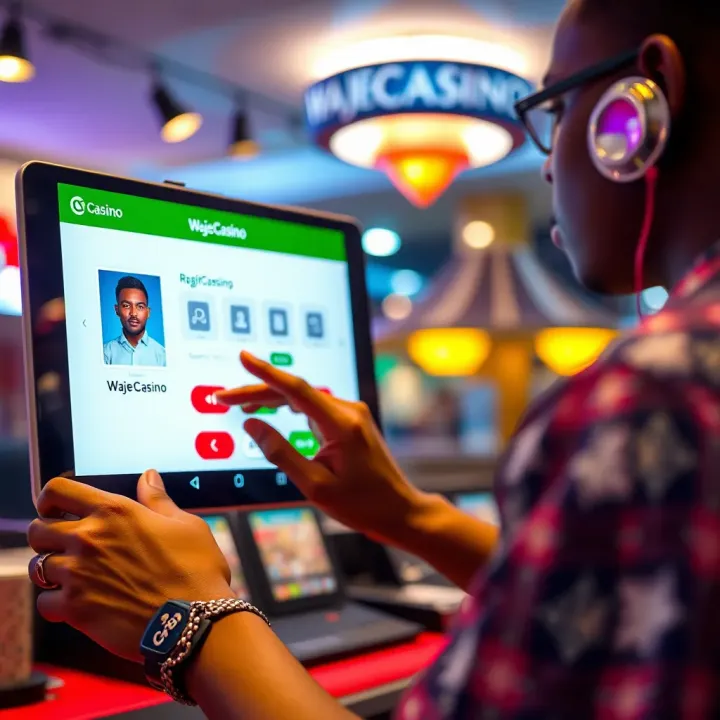
Mobile Wajecasino shops simplify access by blending mobile technology with popular payment systems, opening doors to a wider gamer base across urban and peri-urban areas.
Registration: Gamers download mobile apps or visit local agents who help set up accounts.
Funding Wallets: Funding mostly happens via bank transfers, mobile money platforms, or USSD services.
Game Access: Players can enjoy a variety of Wajecasino games directly on their phones.
Withdrawing Winnings: Winnings are sent back to players’ mobile wallets or bank accounts swiftly.
This system offers flexibility but also requires trust. Most mobile shops maintain strong relationships with payment providers to ensure smooth transactions, a definite advantage in Nigeria's cash-reliant economy.
Mobile access to gaming shrinks the distance between players and entertainment. Many Nigerians face daily traffic gridlocks — heading to physical casinos is often impractical. Mobile Wajecasino shops eliminate this hurdle, offering seamless gaming wherever there’s network coverage. For entrepreneurs, this creates new business opportunities in states like Ogun, Kano, and Rivers, where younger populations are hungry for digital leisure.
Mobile Wajecasino shops are not just gaming hubs; they represent a convergence of technology, finance, and entertainment in Nigeria’s expanding digital space. Players and entrepreneurs who understand this blend stand to benefit as the mobile gaming market deepens its roots across the country.
Mobile Wajecasino shops have become a significant part of Nigeria’s gaming scene. Understanding how they operate and their role helps gamers and entrepreneurs navigate this growing market effectively. These shops are not just about playing games but about providing access and convenience using mobile technology, which is shaping the future of entertainment in Nigeria.
Wajecasino is a digital platform offering casino-style games accessible on mobile devices. Traditionally, casinos were physical venues, but with Wajecasino, players can enjoy games like slots, poker, and roulette anywhere using their phones. Services include betting, live dealer games, and instant deposits, which cater to Nigeria’s large base of mobile users.
The shift from physical casinos to mobile platforms broadens access significantly. For example, a young gamer in Oyo State who may not have easy access to a land-based casino can now join games through a Wajecasino app or website on their smartphone. This shift fits well with Nigeria’s mobile-first culture, where many people rely on phones for daily activities.
Mobile accessibility offers several benefits. It allows users to play at any time and place, reducing travel and associated costs. Also, mobile platforms often support local languages and payment methods, making the experience friendlier to Nigerians of diverse backgrounds. This convenience encourages more active participation and brings informal gamers into a regulated environment.
Mobile Wajecasino shops typically rely on smartphones, tablets, or PCs running popular operating systems like Android and iOS. Proprietors use software from established providers that offer secure gaming environments and real-time updates. For instance, software like Evolution Gaming or Pragmatic Play powers many Wajecasino platforms, ensuring smooth gameplay.
These shops help facilitate games and transactions by providing a point of contact where users can register, deposit funds, and receive support. A local operator might have a small office or even a kiosk with reliable internet, where users come to top up accounts via USSD codes or mobile apps. This setup offers a bridge for less tech-savvy users who may struggle with direct digital payments.
Importantly, integration with Nigerian mobile money services like Paga, Opay, or direct bank transfers through platforms like GTBank’s USSD *737# is common. This integration allows seamless deposit and withdrawal processes in Naira, which is crucial given the naira’s volatility and the need for quick fund access. Operators often partner with local fintechs to handle transactions securely, ensuring trust among players.
Understanding these operational details helps gamers make informed choices and encourages entrepreneurs to explore sustainable opportunities, contributing to this sector’s vibrant growth.
The expansion of mobile platforms has reshaped how Nigerians engage with Wajecasino services. Mobile networks, data affordability, and device capabilities now define access and user experience. Understanding these factors helps clarify why mobile Wajecasino shops have gained so much traction.
MTN, Glo, Airtel, and 9mobile dominate Nigeria’s mobile telecommunications sector and play central roles in driving mobile Wajecasino growth. MTN holds a broad subscriber base across urban and rural areas, offering reliable coverage in Lagos, Abuja, and beyond. Glo and Airtel compete strongly in data service pricing, attracting users keen on gaming. 9mobile serves pockets of the market with competitive packages, maintaining relevance in Wajecasino accessibility.
These networks underpin mobile connectivity, enabling seamless gameplay, transactions, and app downloads. As mobile users increasingly rely on these telcos for internet access, their infrastructure and pricing strategies directly affect how affordable and accessible Wajecasino platforms become.
Mobile data affordability remains a deciding factor for many Nigerian gamers. While data prices have dropped compared to years ago, they can still be a barrier, especially outside major cities. Operators often introduce gaming bundles or data promotions tailored to heavy users. For example, Airtel’s gaming-specific data plans offer attractive rates that help users stretch their naira while staying connected. Nonetheless, rural areas struggle with consistent coverage, limiting access for some players.
The rollout of 4G networks, and the gradual introduction of 5G in select cities, has boosted mobile gaming considerably. 4G allows faster downloads, smoother streaming, and low-latency gaming on mobile devices, making intense Wajecasino sessions feel responsive. Like when a Lagos player uses MTN’s 4G service, they notice reduced lag compared to previous network generations. While 5G is still in early stages, its higher speeds and capacity will benefit gaming shops willing to invest and innovate. This means better multimedia integration and real-time gameplay—even if widespread 5G coverage is yet to come.
Mobile casino apps offer a suite of features designed for ease and security. They typically include quick account registration, multiple payment options aligned with Nigerian banking systems, and live game interfaces optimised for smartphones. For instance, a player using an OPay-powered app can fund their account instantly from a linked wallet. Interactive design makes apps appealing and accessible, encouraging longer sessions that drive shop revenue.
Apart from apps, USSD codes provide a simple alternative for users without smartphones or stable internet. Dialling a short code lets players check balances, place bets, and redeem winnings using any basic phone. This method remains popular in parts of Nigeria where smartphones are less affordable, bridging a digital divide.
Security is a top concern on all mobile platforms hosting Wajecasino services. Operators use encrypted connections and multi-factor authentication to protect users’ data and funds. Regular software updates and fraud monitoring systems help mitigate risks like phishing or unauthorised access. Shops advising customers to use registered SIM cards and trusted networks also reduce exposure to fraud. These practices foster trust and encourage ongoing patronage in a market often wary of scams.
Mobile networks and platform features don’t just enable access; they shape the entire mobile Wajecasino experience, influencing who participates and how securely they play.
By navigating network options, data costs, and security features carefully, players and operators alike can capitalise on Nigeria’s rapidly growing mobile gaming scene.
Understanding the regulatory landscape is crucial for anyone involved in mobile Wajecasino shops in Nigeria. The gaming sector operates under distinct rules that affect how shops function legally and financially. Staying compliant not only protects operators from penalties but also builds trust with customers, which matters a lot in the Nigerian market.
Nigeria’s online gaming platforms, including mobile Wajecasino shops, fall under the oversight of the National Lottery Regulatory Commission (NLRC) and the Lagos State Lotteries Board among others. These bodies ensure that all gaming activities follow set rules to prevent illegal gambling and protect users. The laws prohibit unlicensed operators from running gaming platforms, aiming to reduce fraud and unfair practices.
Licensing is mandatory before commencing any Wajecasino operation. Obtaining the required permits from NLRC or state lottery boards gives shops the authority to operate transparently. The licences typically specify terms like minimum capital, operational standards, and reporting procedures. For instance, a mobile Wajecasino shop in Lagos must secure a Lagos State Lotteries Board licence to be compliant.
For mobile gaming shops, these legal requirements mean investing time and money upfront to get proper permits. However, operating without proper licensing risks fines, shutdowns, or even legal action. Compliance also reassures customers and helps shops access banking services, which many mobile operators struggle with otherwise.
The Federal Inland Revenue Service (FIRS) treats revenue from gaming activities as taxable income. Mobile Wajecasino operators must therefore keep detailed financial records and file tax returns accordingly. FIRS guidelines indicate that gaming businesses are subject to company income tax, value-added tax (VAT), and withholding tax where applicable.
Many informal mobile shops face difficulties in tax compliance due to poor record-keeping and limited understanding of tax processes. This often leads to underpayment or evasion, which could attract penalties. Additionally, informal operators tend to avoid official banking channels, complicating financial reporting and traceability.
Transparency in financial reporting benefits operators beyond legal compliance. Banks and payment platforms prefer dealing with clearly documented businesses, which facilitates smoother transactions and access to fintech tools. Also, transparent practices help build credibility with customers and regulators, encouraging growth and sustainability.
Ensuring your mobile Wajecasino shop meets legal and tax obligations protects your business from avoidable risks and sets a solid foundation for long-term success.
In summary, navigating Nigeria’s regulatory and tax framework is an essential step for any mobile Wajecasino operator. Securing licenses, maintaining compliant operations, and embracing transparency are practical moves that shield the business from penalties while improving market trust.
Mobile Wajecasino shops in Nigeria face various challenges that affect daily operations and user experience. Understanding these hurdles helps operators identify practical solutions and empowers gamers to engage safely. From unstable power supply to malicious fraud schemes, these issues are critical in navigating Nigeria’s fast-growing mobile gaming market.
Nigeria’s erratic power supply remains a major constraint for mobile gaming shops. Frequent blackouts disrupt gameplay and transaction processing, forcing many operators to depend on costly generators. For instance, a mobile shop in Lagos might spend over ₦30,000 monthly on diesel just to keep systems running during outages. This expense cuts deeply into profits, particularly for small operators.
Network disruptions worsen the situation in rural and underserved areas. Despite growth in 4G coverage, many locations still experience slow or intermittent internet, making mobile gaming frustrating or impossible. An example is a Wajecasino shop in a border town where network towers provide only patchy signals, delaying bet confirmations and frustrating users. Until internet infrastructure improves further, rural players and operators remain at a disadvantage.
Cost is another big factor. Setting up a mobile gaming shop involves investing in smartphones or tablets, software licences, and sufficient data plans. High-quality mobile devices suitable for running gaming apps can cost ₦60,000 and above, while monthly data expenses can reach ₦10,000 depending on usage. This financial barrier limits market entry to entrepreneurs with some capital and affects expansion in low-income communities.
Protecting user data and funds is vital in mobile Wajecasino operations. Players provide personal information and link mobile money accounts, which makes shops prime targets for data breaches and theft. Operators must ensure encryption and secure login protocols to prevent hackers from accessing sensitive details — failure leads to loss of trust and potential penalties.
Common scams involve fake gaming apps or phishing attempts where fraudsters impersonate legitimate shops to steal money. Sometimes, unscrupulous operators manipulate game outcomes or delay payouts. For example, reports have surfaced of mobile Wajecasino users in Abuja receiving no payout after winning, highlighting the need for regulated and transparent platforms.
Risk mitigation calls for a mix of technology and user education. Shops should adopt secure payment gateways, regularly update software, and verify user identity strictly. Users, on their part, must avoid sharing passwords and transact only through official channels. Additionally, industry watchdogs and operators together can fight fraud by promoting awareness, monitoring suspicious activity, and enforcing compliance.
Challenges like poor power supply and security risks affect not just the operators' bottom line but also the trust and engagement of Nigerian gamers. Addressing these head-on will shape a more sustainable mobile gaming market.
This pragmatic approach to understanding and managing infrastructure and security challenges helps Nigerian entrepreneurs and players navigate the Wajecasino mobile scene effectively.
Mobile Wajecasino shops have carved out a significant niche in Nigeria’s gaming and entrepreneurial landscape. Their growth reaches beyond just entertainment, affecting jobs, local economies, fintech innovation, and social dynamics. Understanding these impacts helps players, investors, and regulators make informed decisions about engaging with mobile gaming opportunities.
Mobile Wajecasino shops create jobs directly by employing operators, customer service agents, and technicians who maintain devices and internet connectivity. Indirectly, they support jobs in related sectors such as mobile network providers, local transportation (like okada riders ferrying customers), and food vendors near shop locations. For instance, in Lagos or Abuja, a single mobile gaming point might sustain a handful of jobs, while hundreds of such points across cities multiply these effects significantly.
Local entrepreneurs gain a chance to run their own businesses with relatively low capital compared to traditional storefronts. The mobility of these shops means operators can test different locations, especially in bustling areas around markets or transport hubs, amplifying their earning potential. This flexibility encourages more people, including youths and women, to explore business opportunities in gaming without risking heavy losses.
Supporting local economies through mobile shops is clear in how these outlets keep money circulating within communities. Instead of spending scarce resources on long trips to distant casinos or amusement centres, many Nigerians can access gaming close to home. The regular inflow of players means daily revenues for shop owners, commissions for agents, and more sales for surrounding businesses. This business cycle fosters small-scale economic growth, especially in underserved or suburban areas.
Beyond direct cash flows, these shops stimulate demand for affordable internet data, mobile money services, and device repairs. This helps small businesses that specialise in these fintech and telecom support services thrive. These connections promote digital literacy and payment adoption, widening the benefits beyond immediate gaming activities.
Mobile Wajecasino shops rely on smooth, secure payments, often pushing fintech providers to innovate user-friendly interfaces and reliable transaction channels. Nigerian fintech companies like Paystack, Flutterwave, and OPay find opportunities to partner with or tailor services for this niche. Integration with mobile money wallets or USSD payment solutions reduces friction for users, making gaming payments quicker and more convenient.
This ecosystem fosters investor interest, too. Seeing consistent user engagement and transaction volumes motivates startups and fintech investors to inject funding into specialised gaming payment platforms. This is crucial for Nigeria’s digital economy, as practical fintech solutions here can scale beyond gaming to other sectors, improving broader financial inclusion.
While economic benefits are tangible, addressing gambling addiction risks is necessary to protect individuals and communities. Mobile Wajecasino shops increase accessibility, which can sometimes lead to excessive gaming for vulnerable users. Awareness programmes are vital to educate players on recognising problematic behaviour and seeking help.
Community awareness and education efforts often involve local leaders and NGOs working to highlight responsible gaming principles. For example, shops can display clear messages about wagering limits and self-exclusion options. Engaging stakeholders to talk openly about the social impact of gambling helps to reduce stigma and encourages those affected to reach out.
The role of regulatory bodies in protection remains a cornerstone of responsible mobile gaming. Agencies like the National Lottery Regulatory Commission and Nigerian Communications Commission help enforce fair play standards, transparency, and limits on underage access. Licensing regimes require shops to adhere to strict rules, helping shield users from scams or frauds.
These bodies can also mandate periodic audits of mobile platforms, ensuring player funds and data are secure. Strong regulatory oversight preserves trust in mobile Wajecasino services and helps sustainable growth in this expanding market segment.
Mobile Wajecasino shops embody a blend of opportunity and responsibility. Their economic benefits resonate widely while social safeguards ensure safer engagement for Nigerian gamers and communities.
In short, this sector offers more than gaming thrills—it fuels jobs, innovation, and local commerce while reminding stakeholders to play their part in fostering safe and fair gaming environments.
Discover how WajeCasino's Dog House slot works 🎰, explore its RTP for better winnings 💰, and get tips to enjoy gaming responsibly in Nigeria 🇳🇬.
Based on 6 reviews